
Healthcare payments
Corvara Health Payments — Remittance Reconciliation
A healthcare payments platform has $38M of remittance sitting unmatched and nobody can say where in the flow it stops.
Fictional sample. Every company, person and number in these samples is fictional. No real client information appears in any file.
What went in
This is the kind of prompt a candidate pastes into the form — the situation and what the interviewer asked for. Nothing else was supplied.
The situation
A healthcare payments platform has $38M of remittance sitting unmatched and nobody can say where in the flow it stops.
What the interviewer asked for
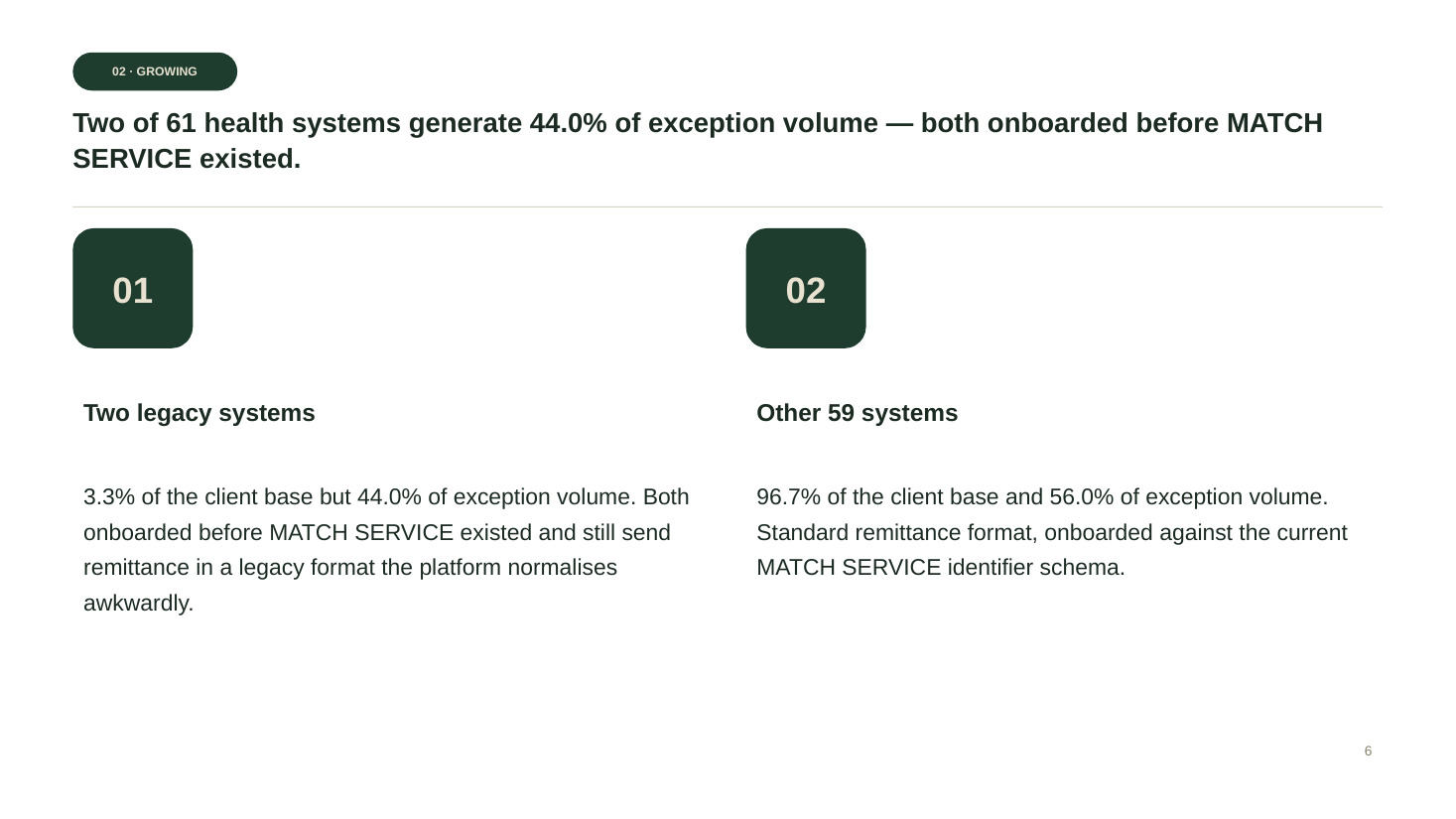
Diagnose where the money gets stuck, say which hop to fix first and what it is worth, and recommend what to do about two legacy health systems.
Interviewing for a Solutions Strategy role. Figures in USD.
The files, exactly as they came out
Open them and check the work — the model’s cells are live formulas, not pasted values.
- The deck — 10 slidesEditable PowerPoint, the same file a buyer downloads.deck.pptx
- The Excel modelThe sizing behind the figures, with its assumptions listed and sourced.model.xlsx
- The prep briefThe Word document you take into the room, with answers drafted for the hard questions.prep_brief.docx
- The deck as a PDFFor reading it through without opening PowerPoint.deck.pdf
The deck, slide by slide
All 10 slides, in order, from the generated file. Open any slide for the full-size image.
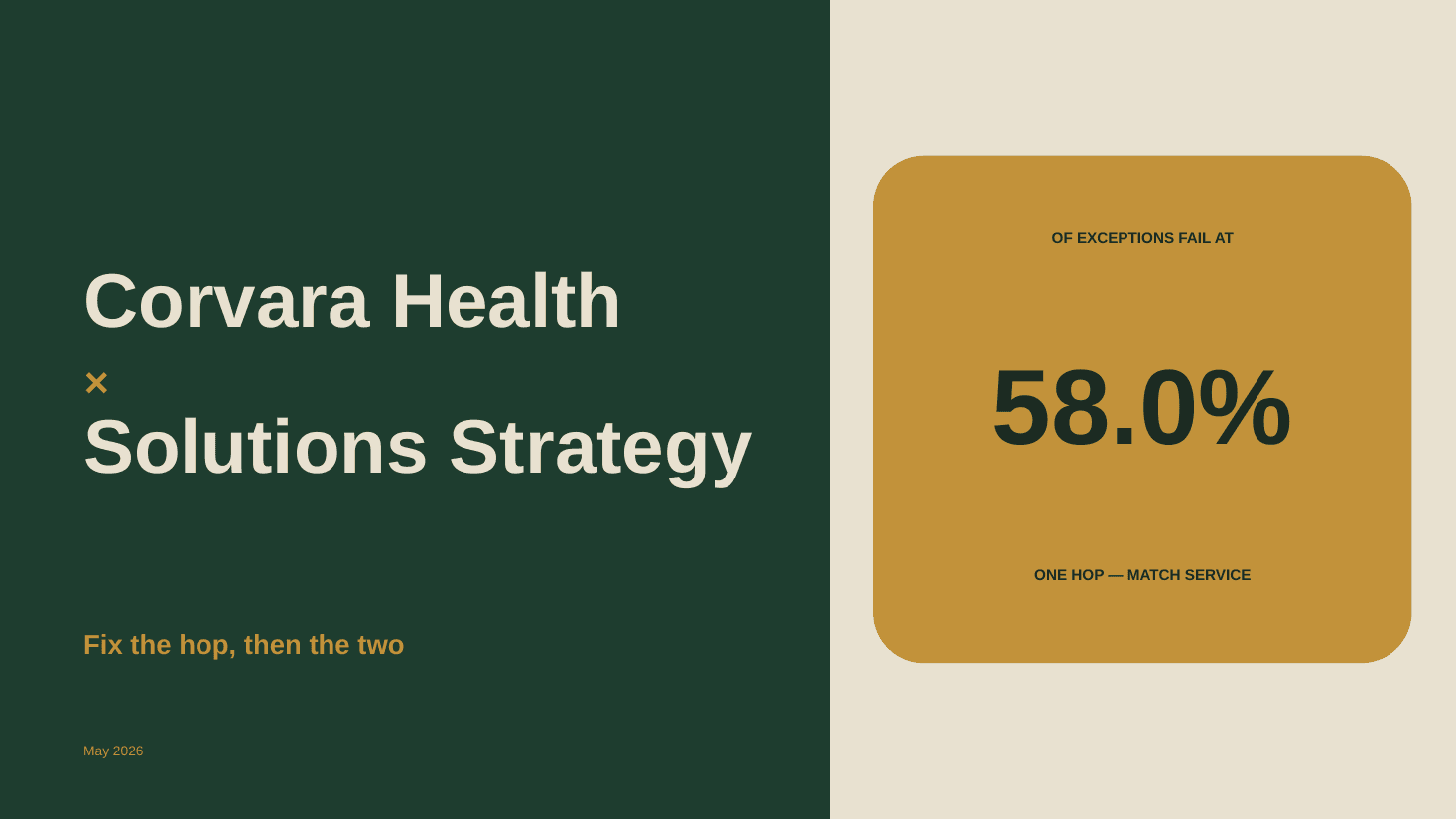
Slide 1 of 10 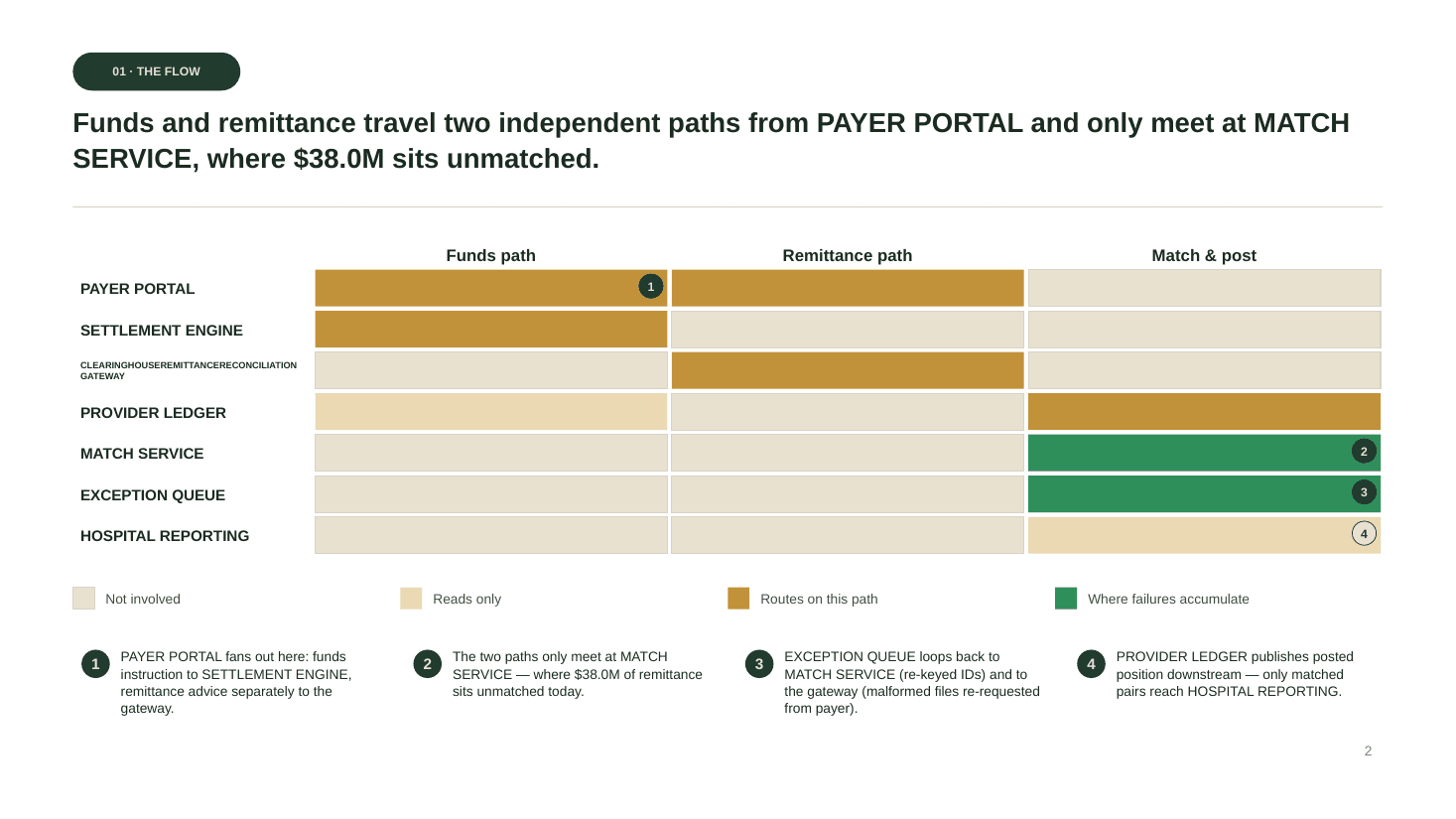
Slide 2 of 10 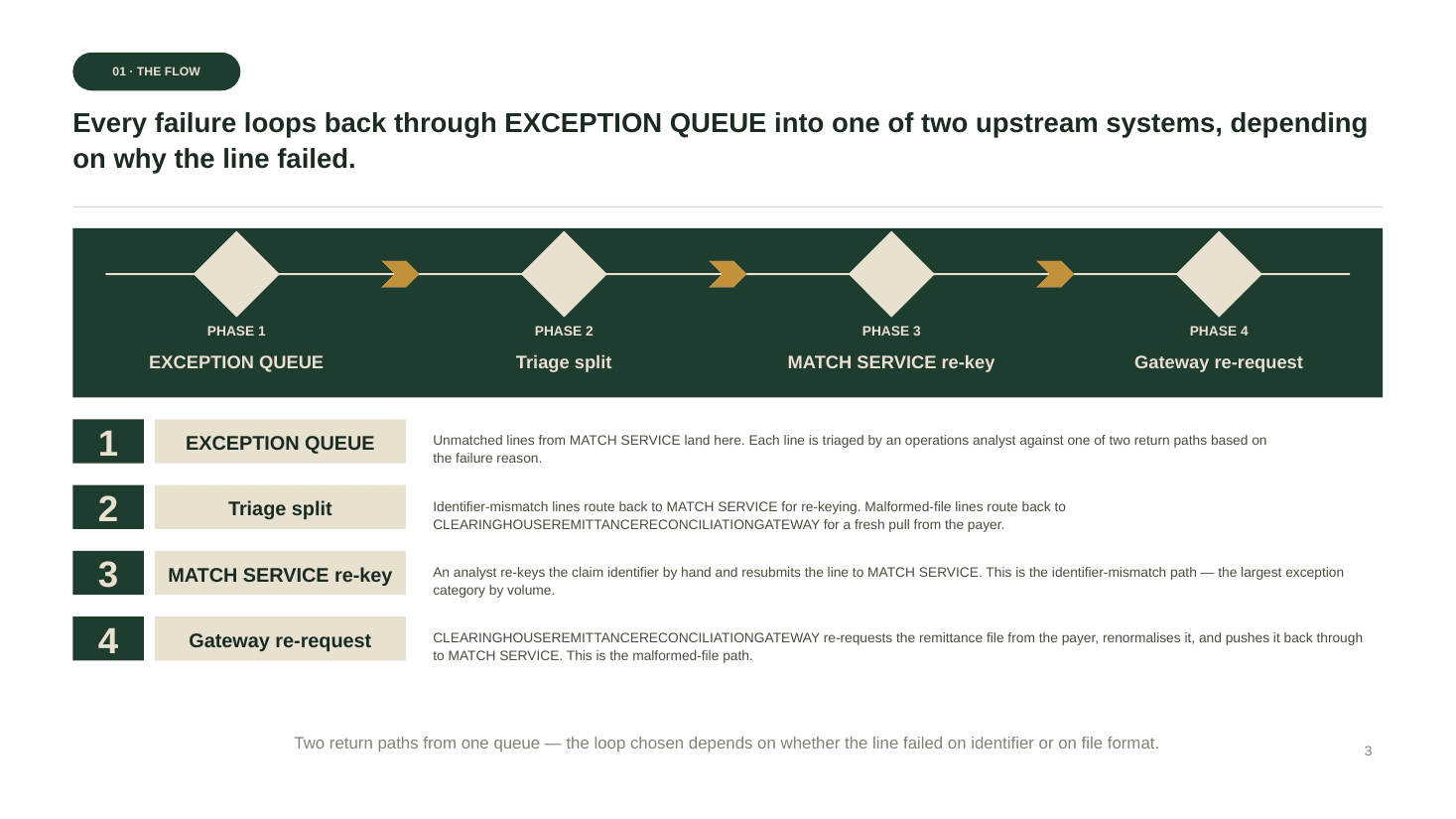
Slide 3 of 10 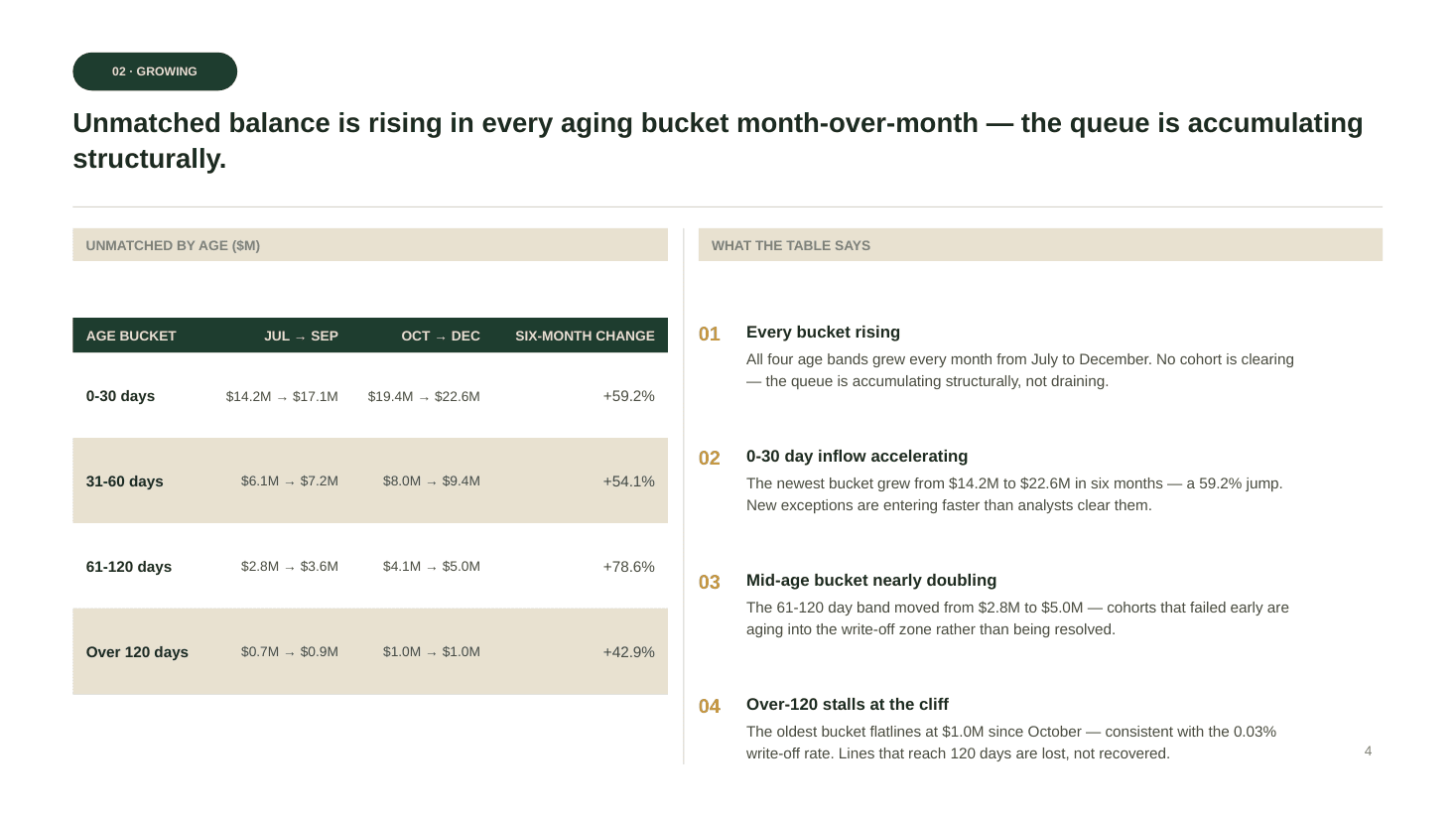
Slide 4 of 10 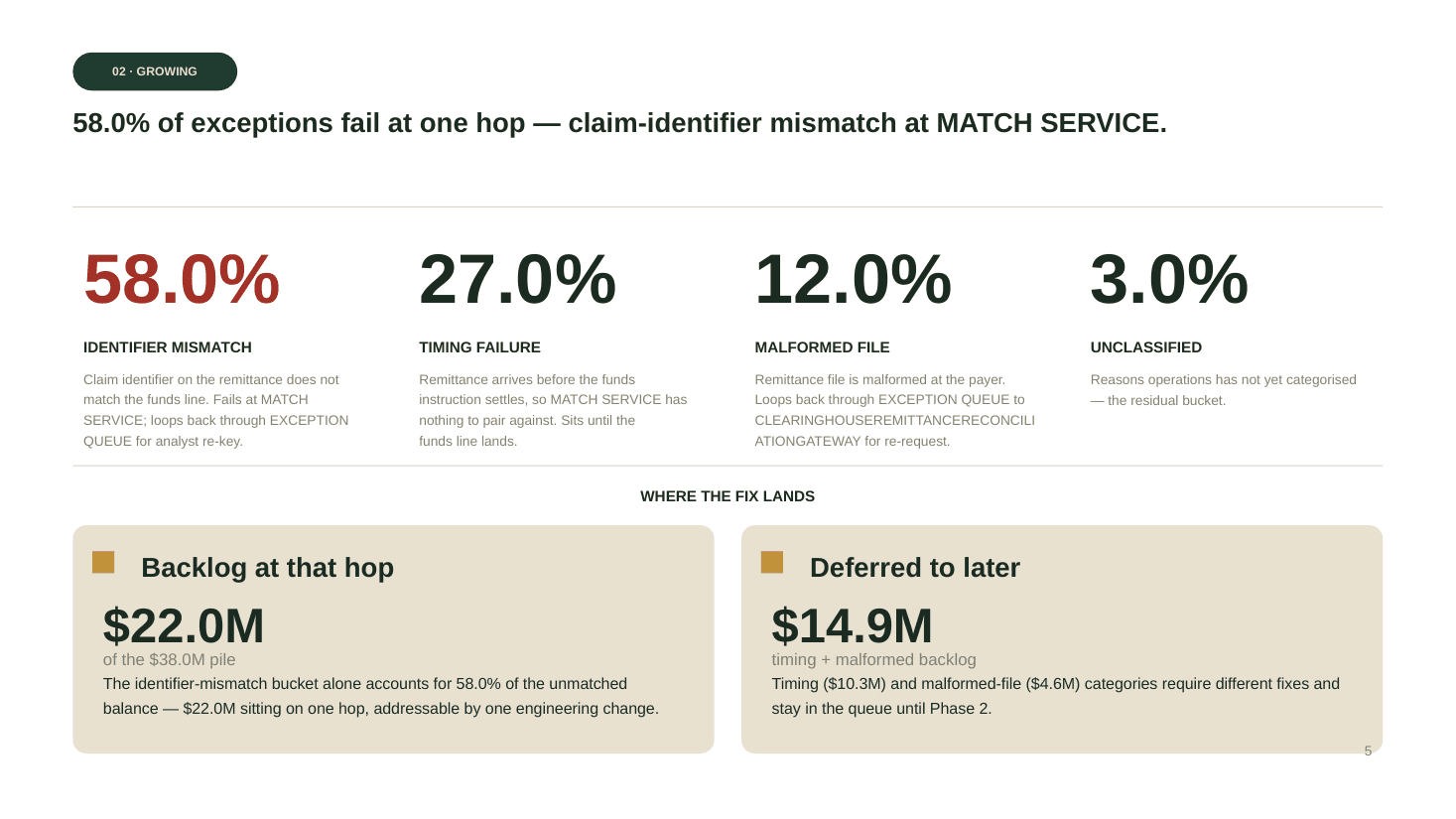
Slide 5 of 10 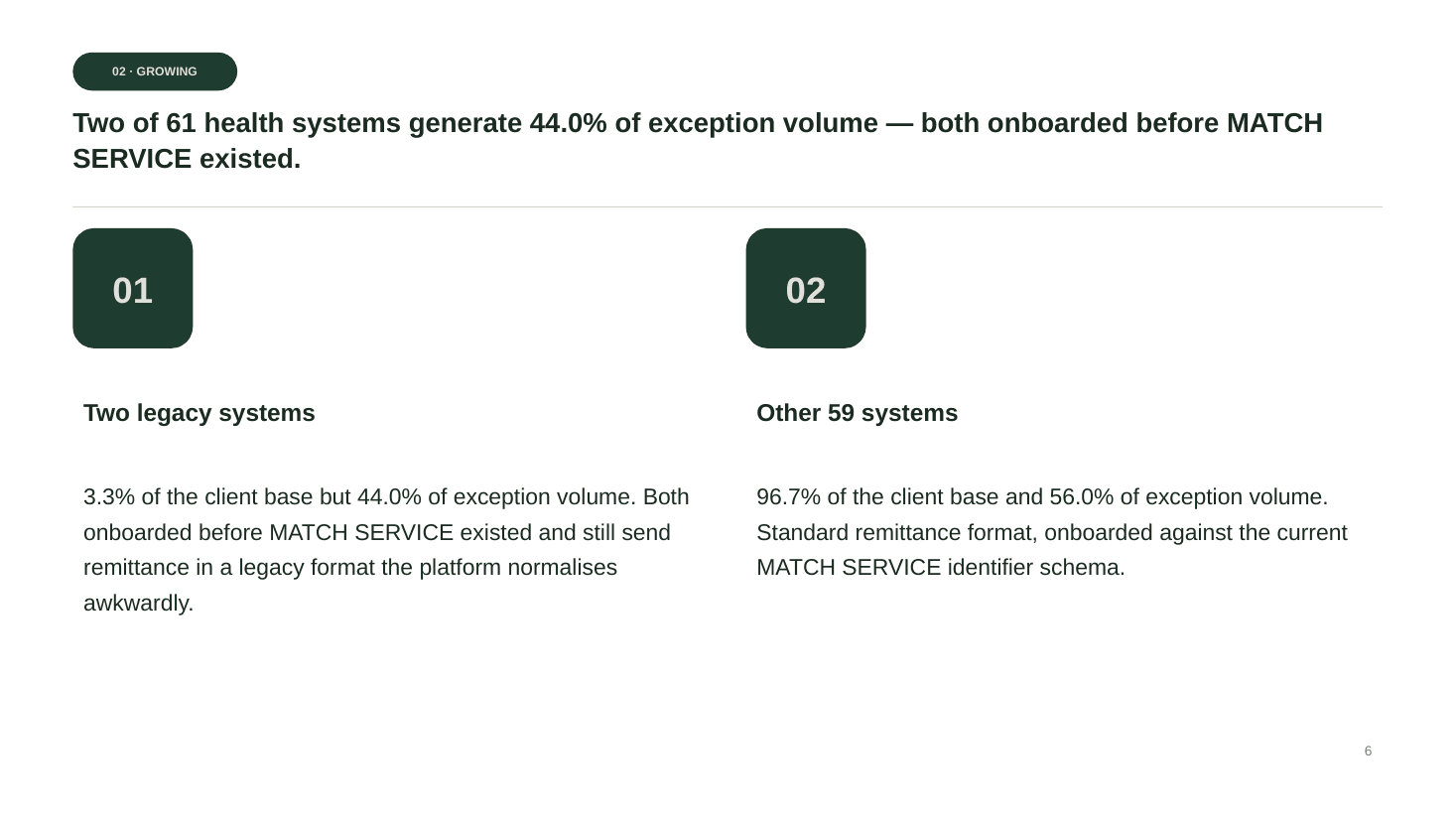
Slide 6 of 10 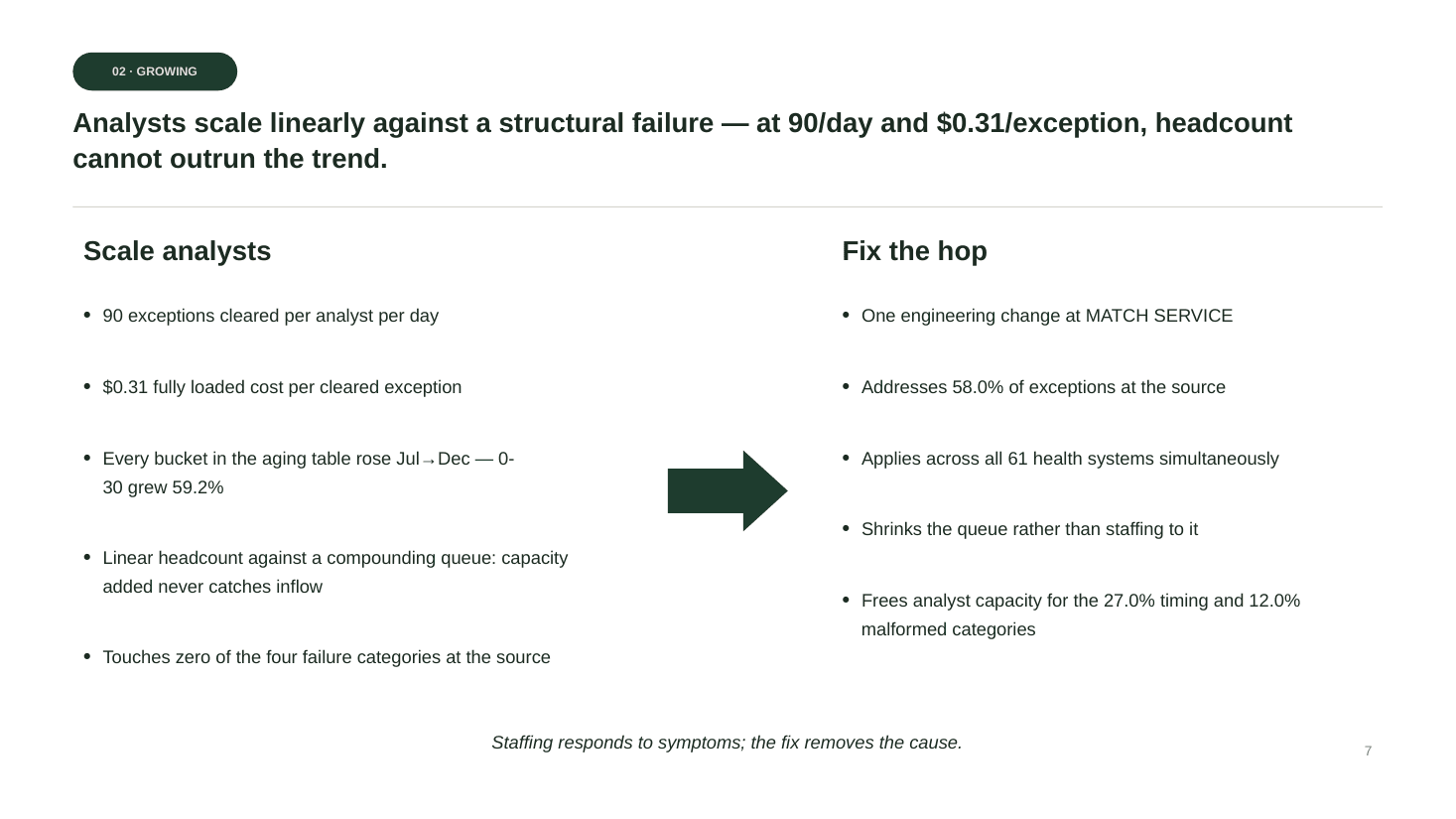
Slide 7 of 10 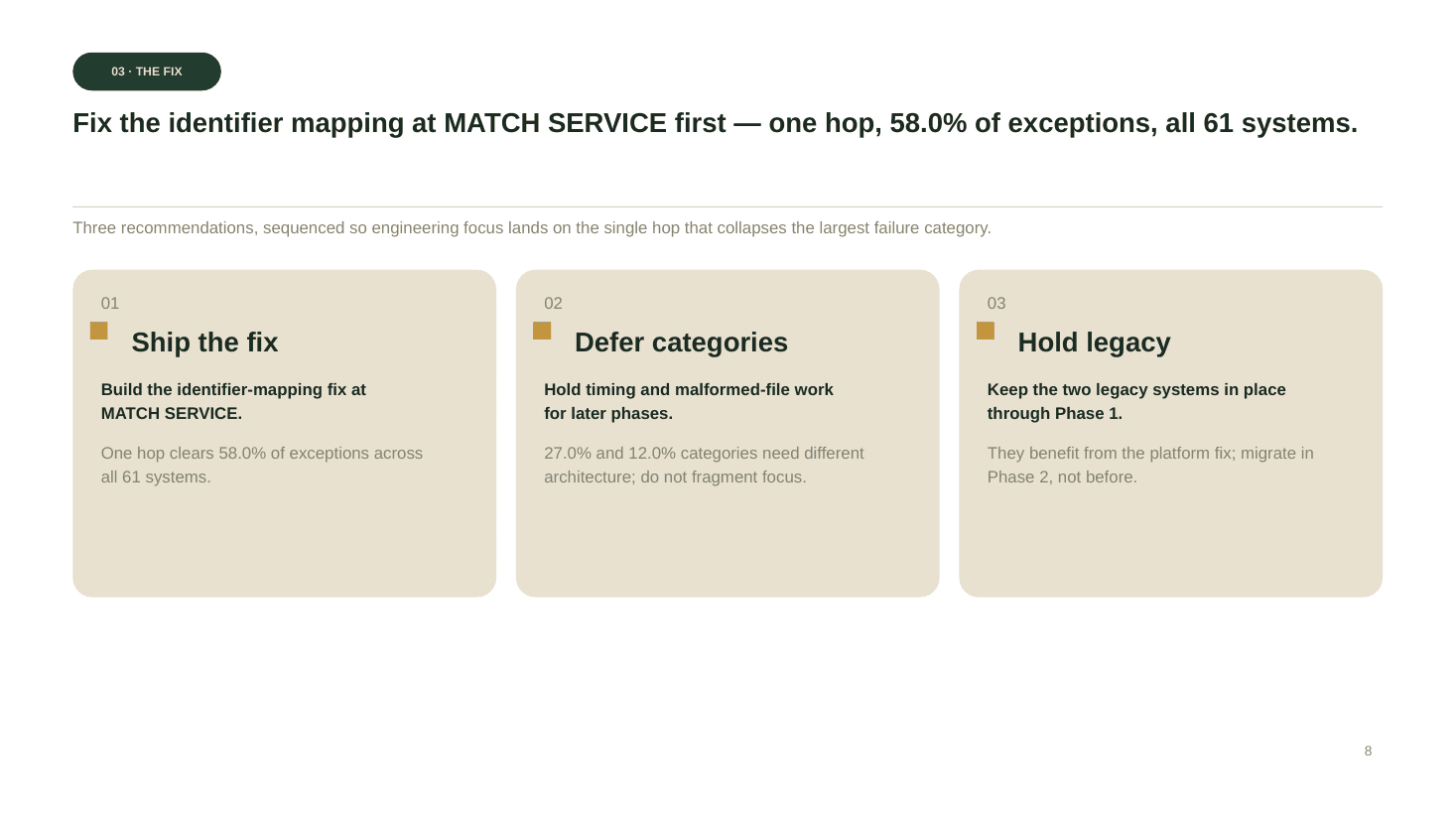
Slide 8 of 10 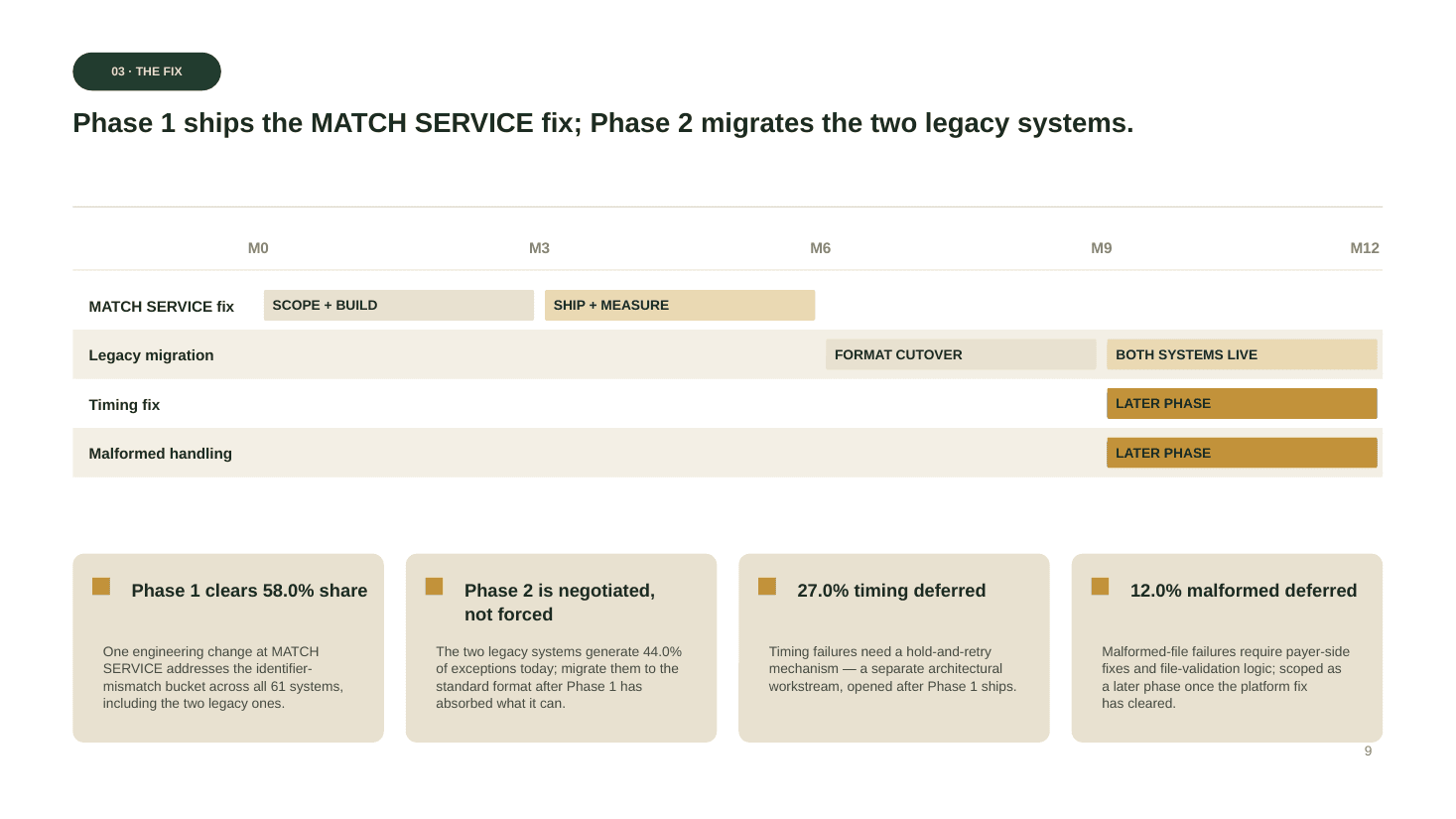
Slide 9 of 10 
Slide 10 of 10

The full write-up
Everything here is fictional. Corvara Health Payments is an invented company and every
number in these files was made up for this example. Nothing in it comes from a real client.
The case
Corvara Health Payments processes patient and insurer payments for hospital groups —
$2.4B moved across 61 health systems last year. Finance has escalated that $38M of
remittance is sitting unmatched, some of it for more than 120 days, and nobody can say
where in the flow it stops. The candidate is interviewing for a Solutions Strategy role.
What the interviewer asked for
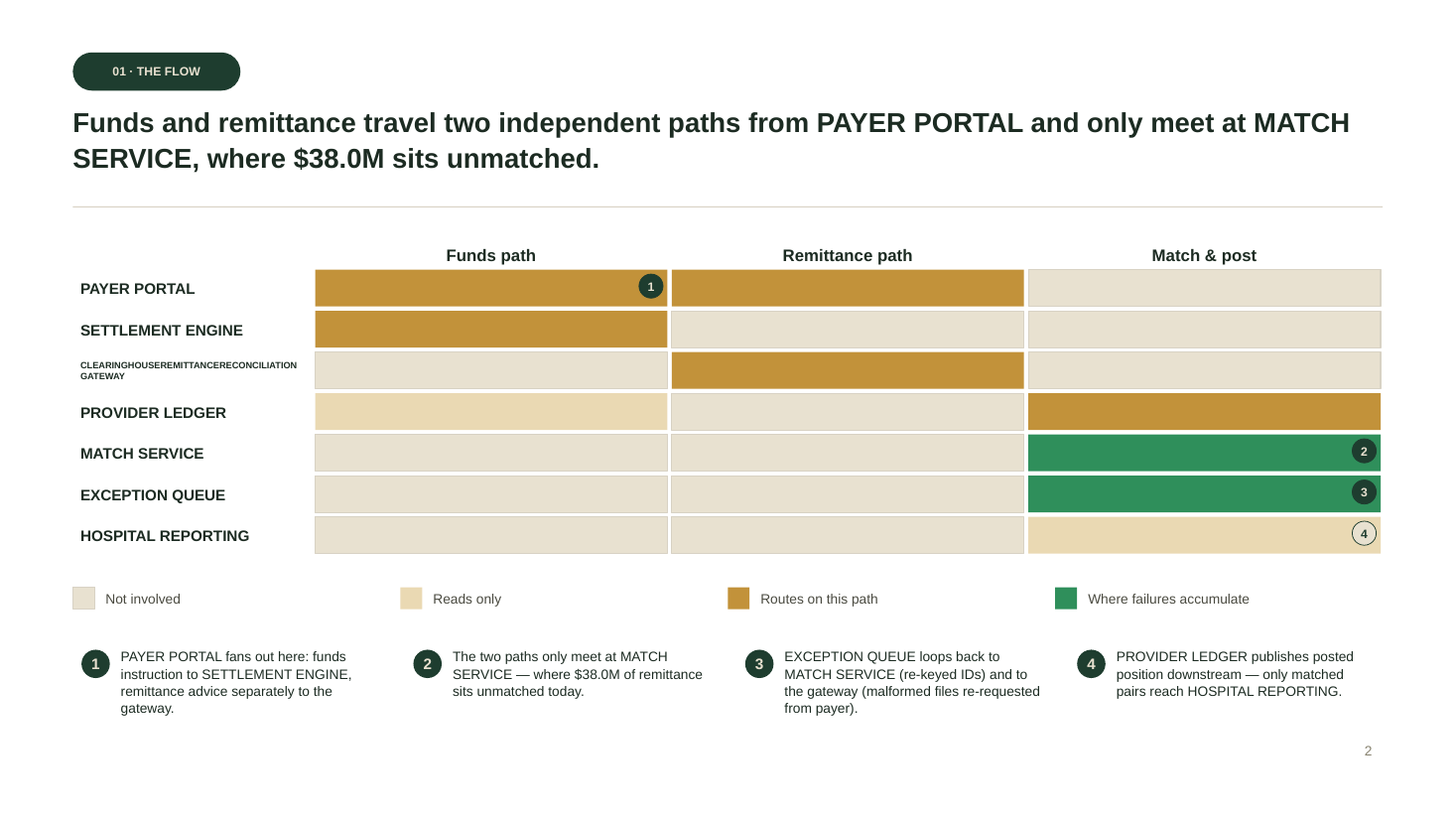
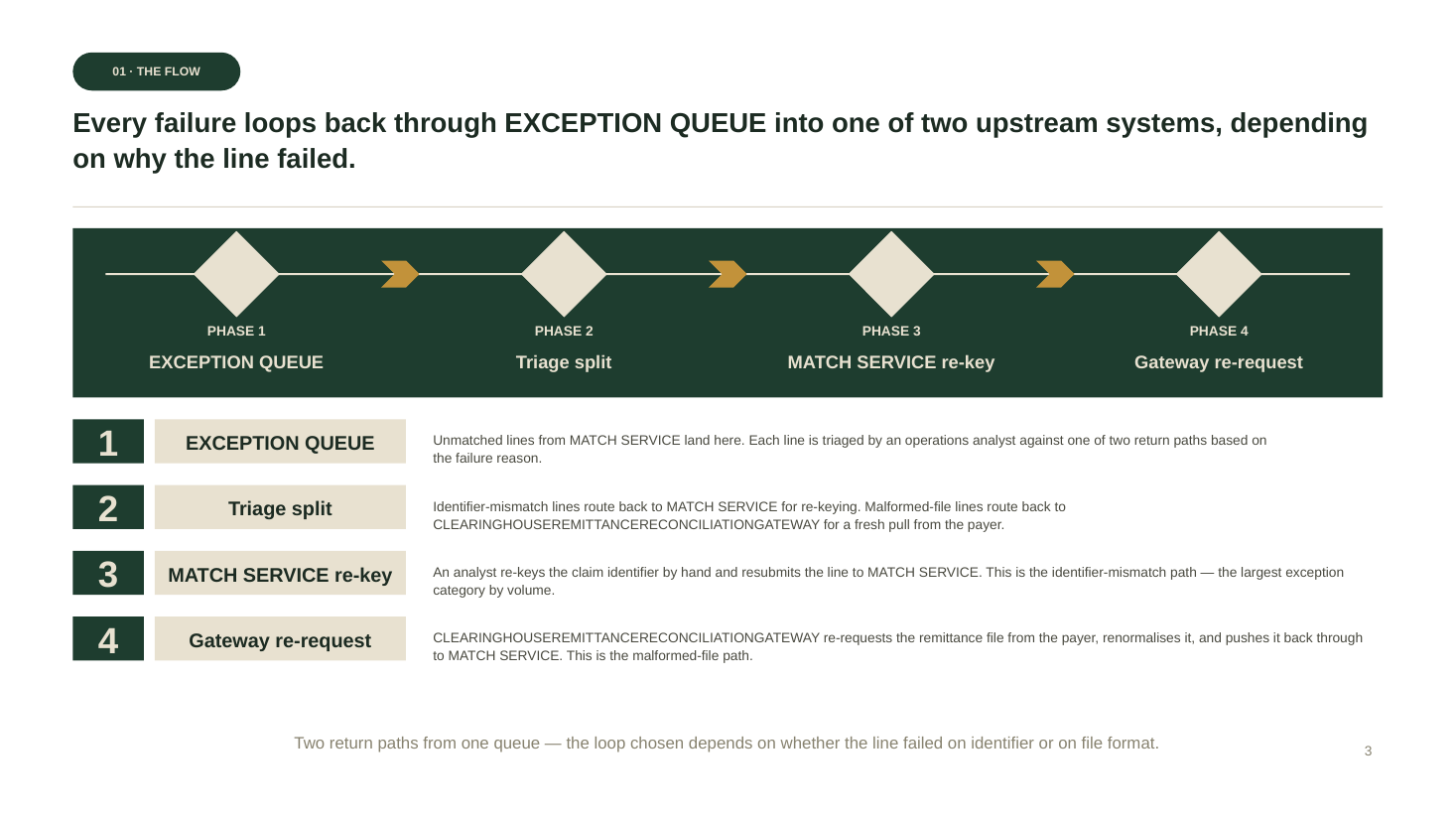
Ten to twelve slides covering four things: a picture of how a payment and its remittance
actually travel through the platform, showing where the two paths split and where failures
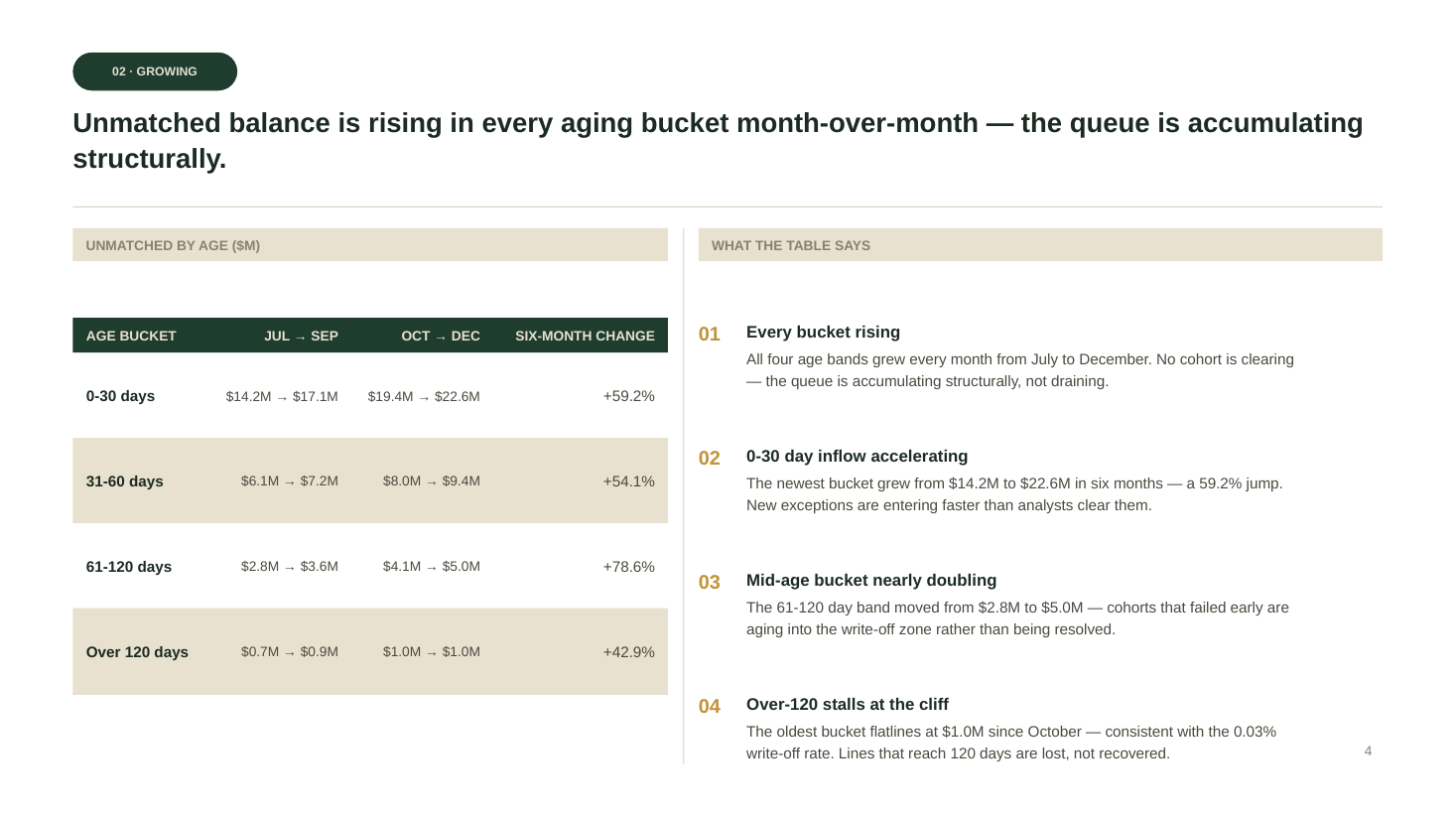
loop back; what the aging data says about whether the problem is getting better or worse,
with the reading set out beside the numbers rather than after them; which hop to fix first
and what it is worth; and what to do about two legacy health systems.
What the deck argues
Money and remittance travel two separate paths and only meet at one place — the match
service — and that is where the $38M sits. Every aging bucket grew month over month, so
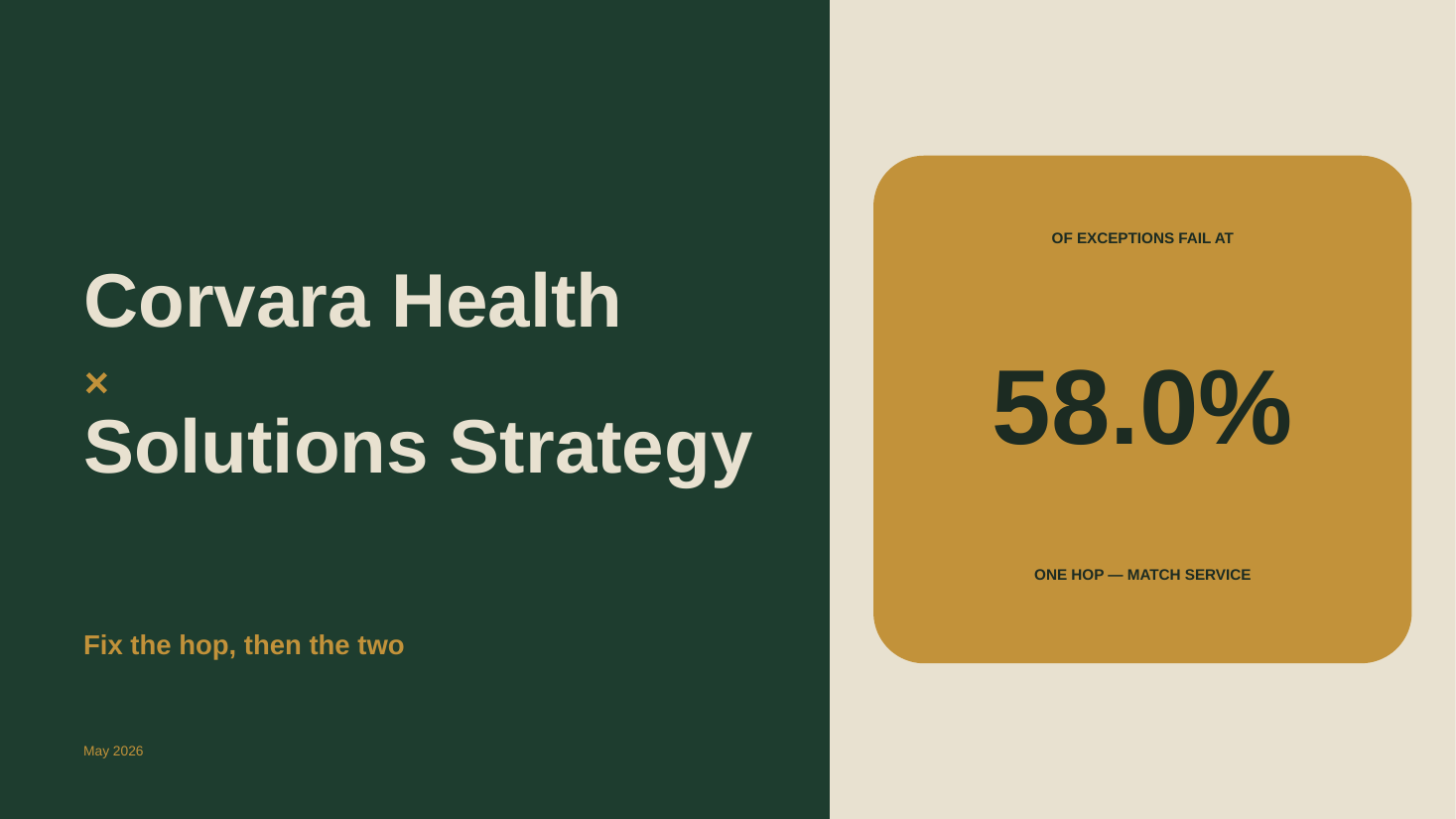
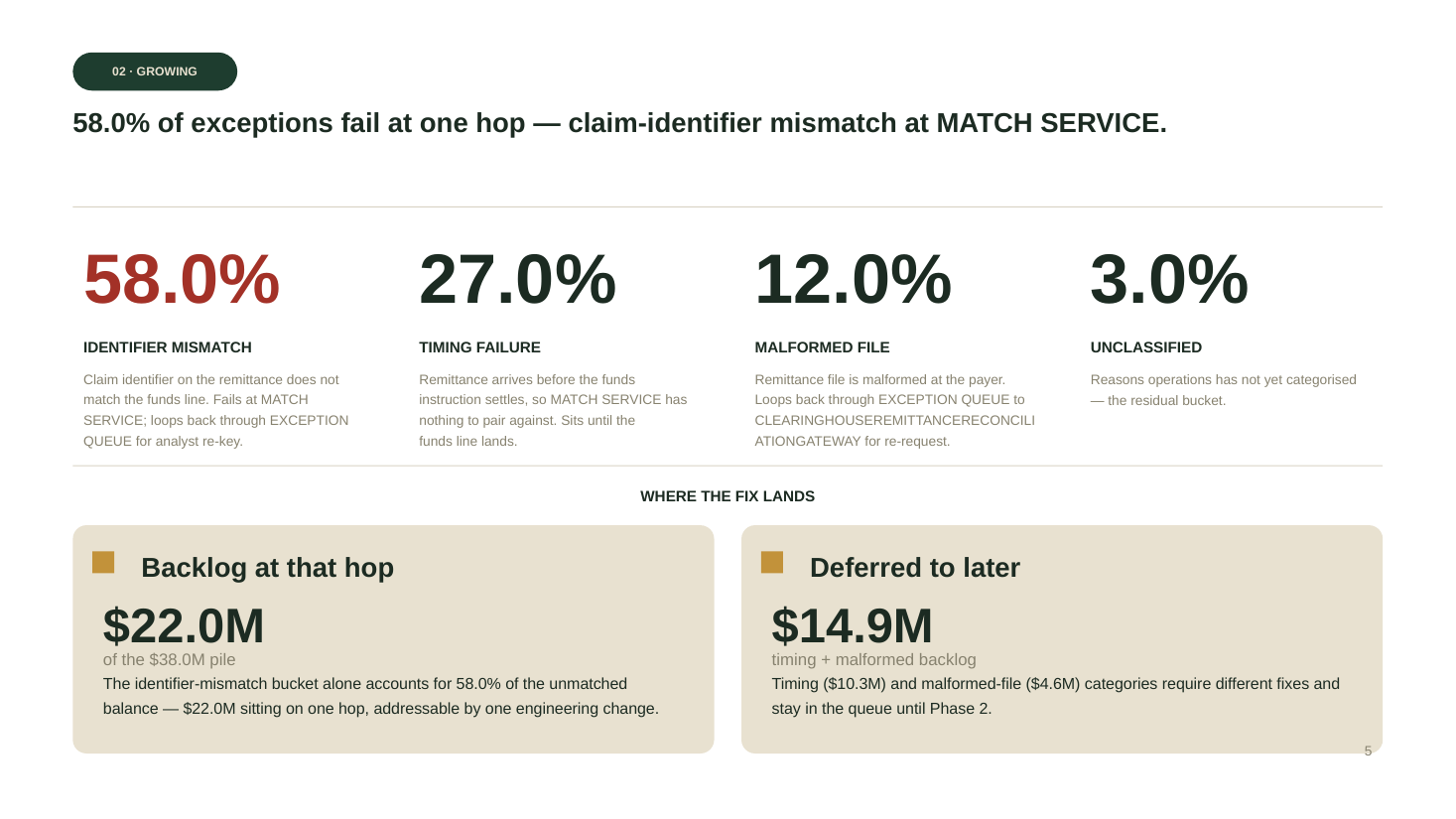
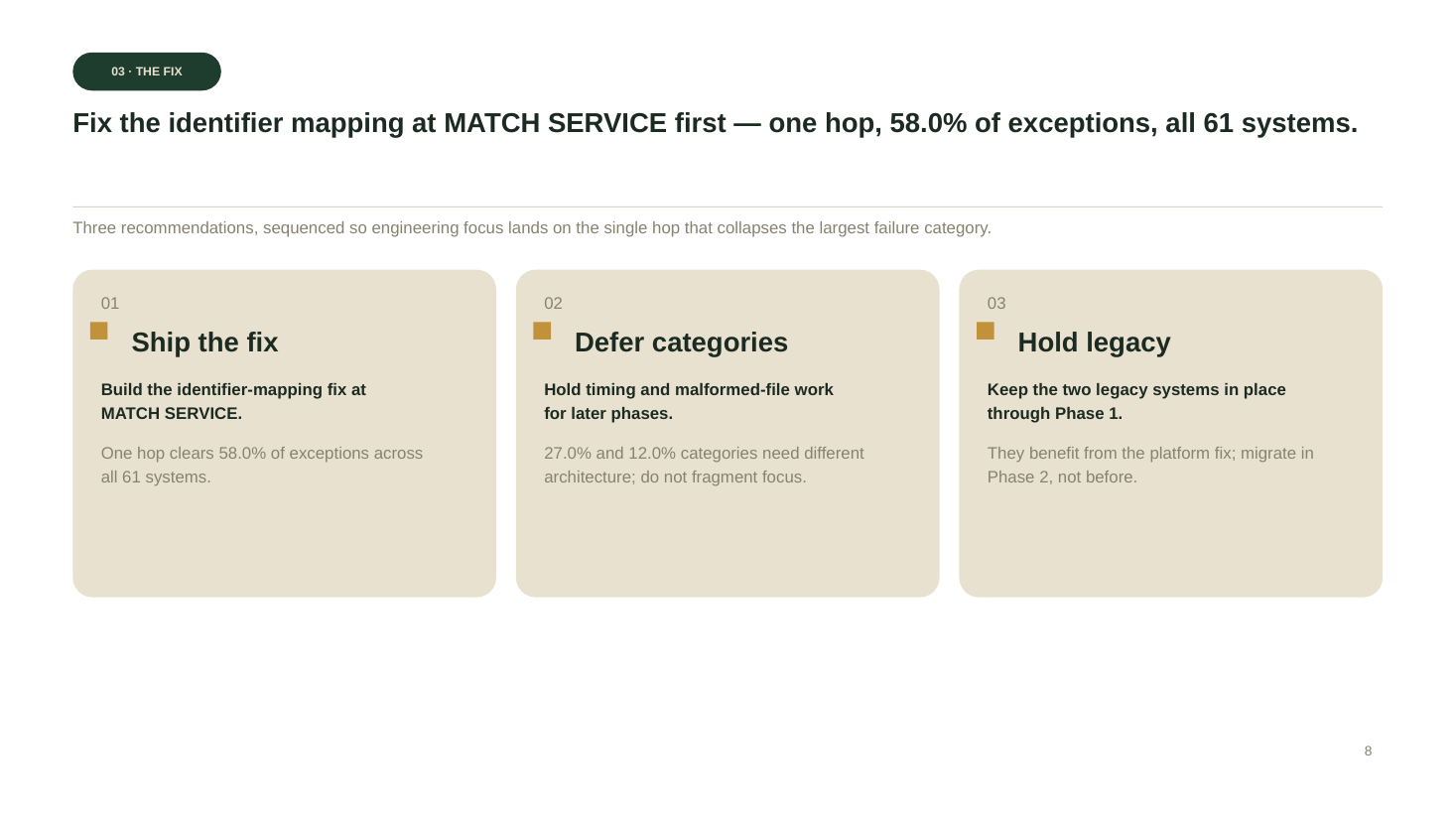
the queue is accumulating rather than draining. 58% of failures come from a single cause:
the claim identifier on the remittance does not match the one on the funds line. That is
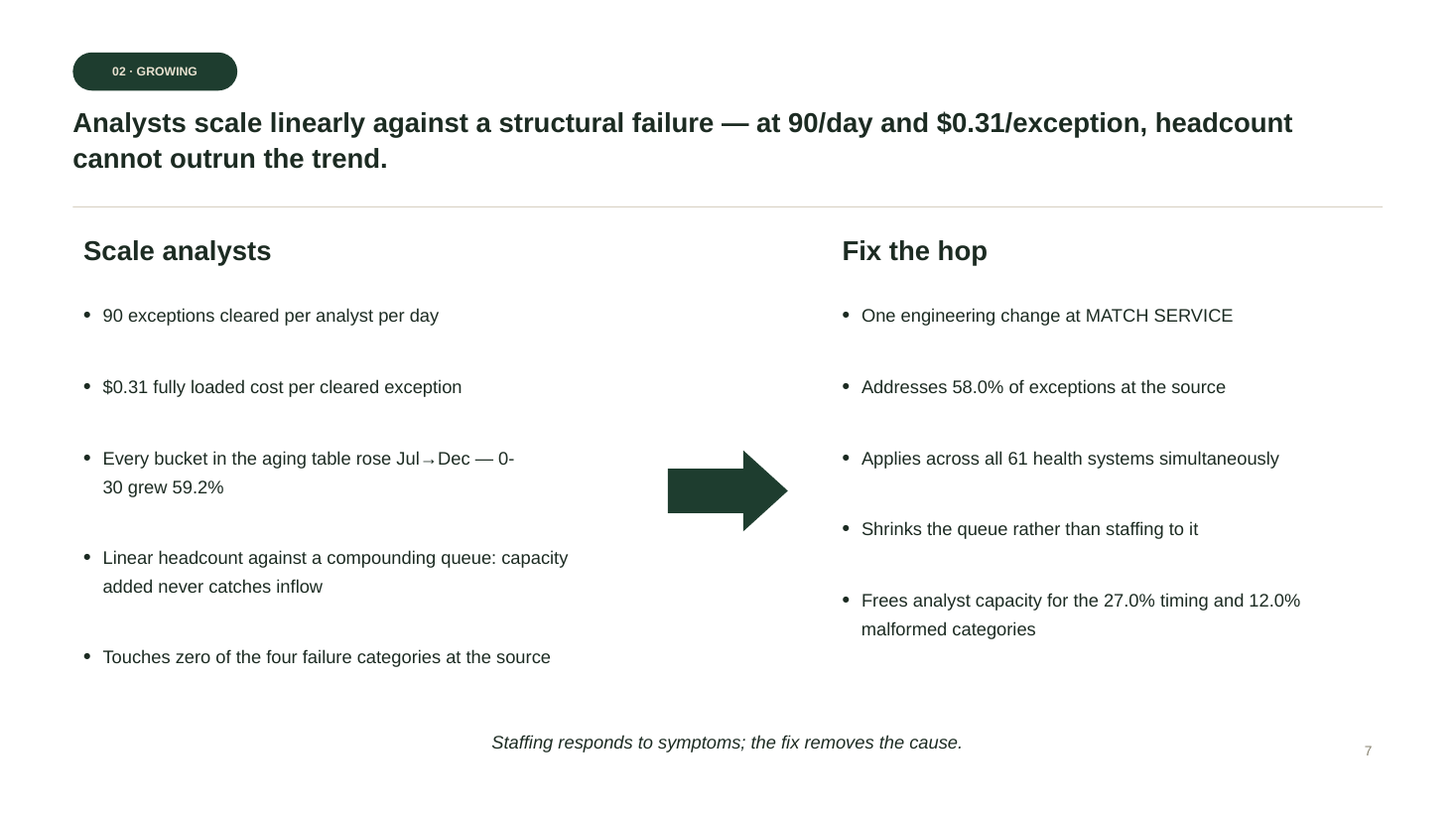
$22M of the $38M pile, fixable with one engineering change that applies to all 61 health
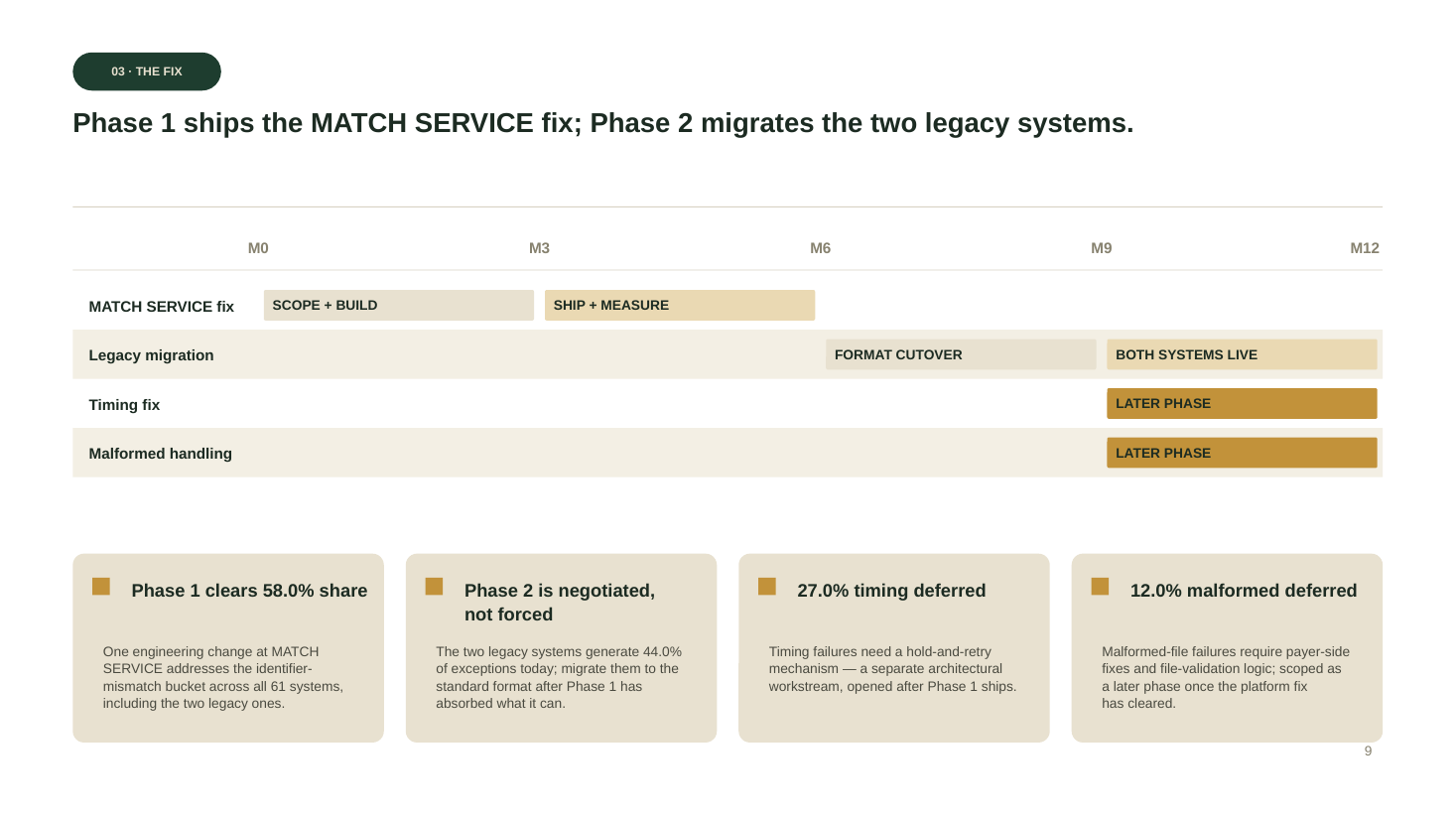
systems at once. The recommendation is to ship that fix first, defer the timing and
malformed-file categories to a later phase, and leave the two legacy systems in place
until the platform fix has done its work — because they benefit from it too.
What comes with it
The Excel model sizes the recommendation. It has three tabs: a summary comparing
current state against post-fix, a data tab that does the arithmetic, and an assumptions tab
where every input is listed with where it came from — and where an input was extrapolated
rather than given, it says so. The cells are live formulas, so changing an assumption
updates the answer.
The prep brief is the Word document you take into the room. It opens with the theory of
the case in a paragraph, then the headline numbers, the asks and concessions, and a set of
anticipated questions with an answer drafted for each — including the awkward ones, like
"you don't have a build cost, so how can you recommend spending on this?"
Your case will not look like this one — it is built from the prompt you paste in. You see a preview before you pay anything.